
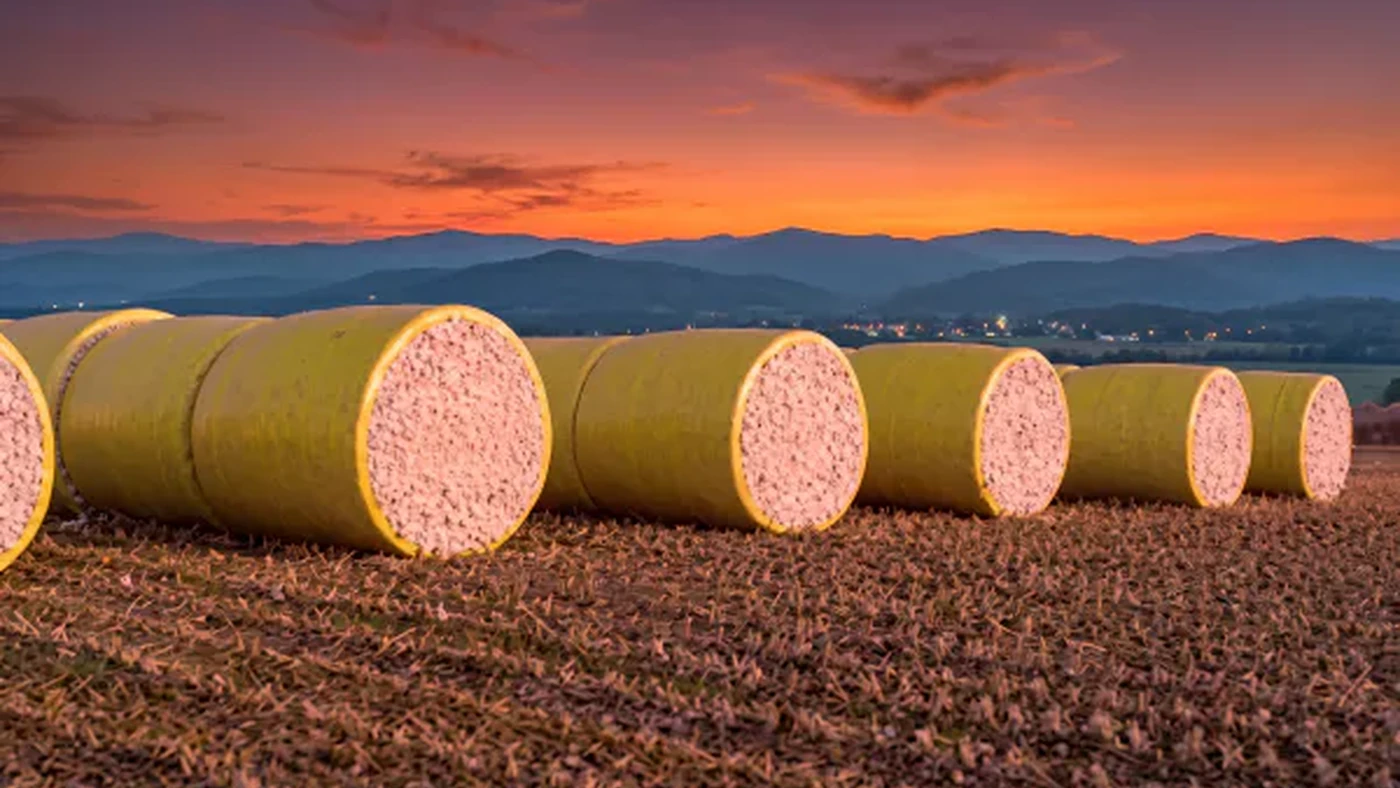
Southeastern US Cotton Region
Southeastern US Cotton Region buyers should verify the complete chain-and-sprocket system.
Local context
Industry and operating context
Southeastern US Cotton Region includes Georgia, Alabama and the Carolinas. Picker-based harvesting and dealer service. Buyers compare replacement fit, serviceability, paired sprockets and documentation before promotional claims.
EP-C2062H starts with documented 1.500-inch pitch and 0.875-inch roller. Attachment geometry, climate, lubricant, storage and unit conventions must be checked locally.
This site serves the market remotely and does not claim an EVER-POWER warehouse or field office in Southeastern US Cotton Region.
Update
Current public update
USDA Cotton and Wool Outlook, July 2026
Official sources provide production, mechanization or support context. Public programs and forecasts change, so verify the current notice before commercial reliance.
Reviewed 2026-08-06.
Procurement
Procurement checklist
Identify the source drawing, rating convention, attachment interval and inspection evidence. Document sprocket condition, alignment, take-up, guarding and acceptance responsibility.
| Decision | Evidence |
|---|---|
| Replacement fit | Sample, multi-pitch measurement, attachment drawing and sprocket inspection. |
| Season readiness | Spare links, pre-harvest test and maintenance plan. |
| Safety | Local risk assessment, guarding and lockout. |
| Public support | Current official eligibility confirmation. |
Paired system
System pairing
Components engineered with the chain
1.500-inch sprockets
Match pitch, 0.875-inch roller, tooth form, bore, hub and alignment.
Connecting links
Confirm construction, fit, retention and free articulation.
Attachments and crossbars
The catalogue shows an attachment every fourth pitch; machine geometry governs the final profile.
Take-up, bearings and guards
Equal adjustment and safe access complete the conveyor system.
Need an engineering fit review?
Send dimensions, attachment details, machine photographs and operating conditions for confirmation.
Engineering depth and verification
Southeastern US Cotton Region should be read as part of a complete cotton handling system rather than as an isolated chain selection. The practical result depends on sprocket tooth geometry, shaft alignment, bearing condition, attachment spacing, crossbar stiffness, take-up travel, guarding and the way operators load or clear the equipment. A documented chain can still perform poorly when one of those interfaces is worn or misaligned.
The supplied catalogue establishes a useful dimensional baseline for EP-C2062H: 1.500-inch pitch, 0.500-inch roller width, 0.875-inch roller diameter, 0.234-inch pin diameter and 0.125-inch plate thickness. It also shows a cotton-module attachment every fourth pitch. Those values support comparison and inspection, but they do not create a universal interchange promise. The actual machine drawing, an unworn sample or a controlled field measurement remains the acceptance reference.
Parallel-strand equipment deserves particular attention. A wide bed can run quietly with no load while one strand is already shorter, tighter or out of phase. Under a module, that difference becomes a load-sharing problem. Record strand length, take-up position, sprocket phase and crossbar squareness before replacement. When several strands are changed, install them as a matched set and retain the measurement record for the next season.
Cotton lint alters ordinary maintenance practice. Fiber hides cracks, holds abrasive dust and attracts excess lubricant. Cleaning should expose the joint and attachment without forcing debris farther into the chain. Lubricant belongs at the pin-bushing interface, not as a heavy external coating. After cleaning and lubrication, articulate several joints by hand under safe isolation and note any stiffness, side wear, roller damage or pin movement.
Sprocket condition must be judged before a new chain is installed. Hooked teeth, polished side faces, damaged roots, loose hubs, shaft runout and bearing movement can shorten the life of a correct replacement. The sprocket should match the chain pitch and roller diameter, but tooth count and bore details are project-specific. A replacement review should therefore include the complete drive end and the return end, not only the removed chain.
Seasonal equipment often spends more time stored than operating. That does not make corrosion and contamination minor issues. At shutdown, clean and dry the chain, release only the tension allowed by the machine procedure, protect exposed metal, cover the equipment and record the condition. Before harvest, remove storage protection, inspect guards and emergency stops, run the bed empty and then conduct a controlled loaded test.
In Southeastern US Cotton Region, procurement decisions are shaped by local cotton production, service networks, import practice and the available harvest window. Buyers should request both inch and metric drawings, written configuration confirmation and a clear list of paired parts. The site does not claim a local warehouse or office; logistics and service arrangements must be confirmed in the quotation.
Public production forecasts, mechanization programs and crop-support measures can influence equipment investment, but they change over time and do not prove eligibility for a particular buyer. Use the official source cited on the market page, check the current notice and obtain written local advice before relying on a subsidy, tax treatment or tender condition.
International projects need disciplined unit control. Preserve the catalogue inch values and add exact millimetre conversions on the approved drawing. Do not round a critical dimension to the nearest convenient metric size. Commercial documents should also identify the model, attachment pattern, number of strands, quantity of connecting links and the party responsible for final fit confirmation.
A useful RFQ describes the machine function and the operating concern. Include photographs from the side and end, a multi-pitch measurement, roller dimensions, plate thickness, attachment interval, strand count, sprocket tooth count and bore, drive type, typical module format, operating country and known failure history. Clear evidence reduces assumptions and makes the engineering response more specific.
Safety remains part of the selection. Exposed chain and sprocket nip points require guarding, and jam clearing requires an isolation method that prevents unexpected movement. Local laws and employer procedures govern the final solution. The website provides technical discovery content, not a substitute for a machine risk assessment, competent installation or commissioning approval.